
Planning a Philippines itinerary can feel overwhelming. How do you even choose from over 7,000 islands, let alone factor in the transport routes, and long travel days between them? My home country is far from perfect, and navigating it can be frustrating (we locals feel that too). But if you arrive with wide-eyed curiosity, patience, and respect, the Philippines slowly opens up in ways that make the effort worthwhile. ♥️
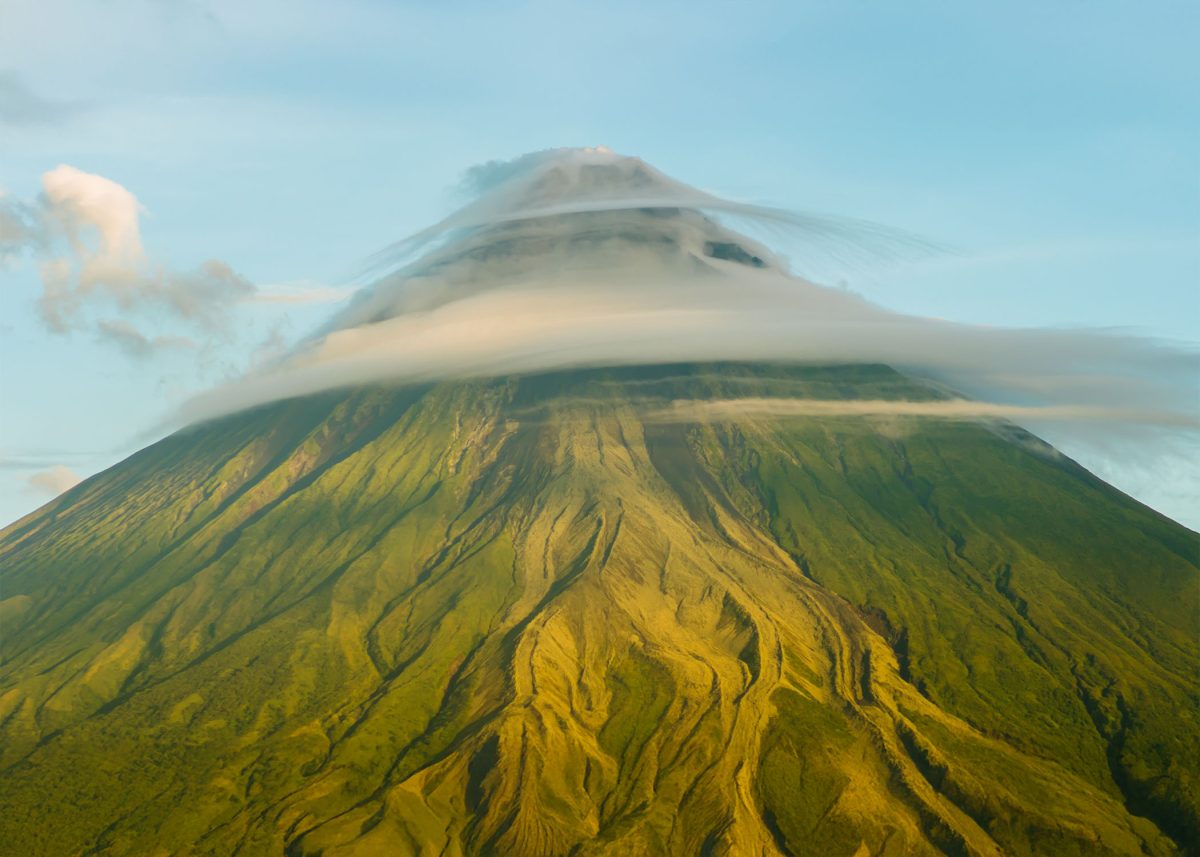
This isn’t your typical Philippines travel itinerary. It highlights lesser-known destinations that many foreign travelers tend to overlook. I’ve highlighted the Philippines’ mountains and volcanoes, which rarely get the attention they deserve despite shaping much of our landscape, culture, and history.
You’ll also find some of the best diving in the world here, considering the Philippines sits at the heart of the Coral Triangle, home to unparalleled marine biodiversity. Throughout this itinerary, I’ve been deliberate about including only sustainable wildlife tourism experiences.
Got questions? I got you, bestie! No gatekeeping here. Just DM me and we’ll tailor this itinerary to your kind of adventure.🙂
If this is your first time in the Philippines, I highly recommend checking out my Philippines Travel Guide. It covers everything a first-time visitor actually needs to know, tips from a Filipino traveler, no BS, just the essentials.
Visa Requirements in the Philippines
Most nationalities can enter the Philippines visa-free for 30 days, which is actually enough to follow this one-month Philippines itinerary . If you do decide to stay longer, the first extension is called a Visa Waiver, which gives you an extra 29 days and can be applied for online or at any Bureau of Immigration office (including kiosks at NAIA). Beyond that, you can apply for a Tourist Visa Extension for 1, 2, or 6 months, either online or in person.
Travel Tip: If you already know you’ll be staying longer than 30 days, my advice is to get the Visa Waiver upon arrival. NAIA has Bureau of Immigration kiosks that can issue this on the spot for around PHP 3,000. Just a heads up! It’s cash only (very on-brand Philippines 😛).
One Month Philippines Itinerary
This is mapped out as a one-month itinerary, but it’s meant to be flexible. Stay longer if a place pulls you in. I genuinely encourage it. I’ve arranged everything into regional chunks, so at the end of each leg, you can pause or extend your stay. There’s a nearby airport where you can pivot somewhere completely different depending on how the journey unfolds.
- Day 1-2: Manila
- Day 3: Manila to Masbate
- Day 4-6: Ticao Island (Masbate)
- Day 7: Ticao Island to Santa Magdalena
- Day 8: Matnog Island-Hopping Tour
- Day 9: Santa Magdalena to Bulusan
- Day10-11: Donsol (Sorsogon)
- Day 12: Mayon Volcano (Albay)
- Day 13-16: Dauin (Negros Oriental)
- Day 15: Apo Island Day trip from Dauin
- Day 17: Dauin to Siquijor (via Dumaguete)
- Day 18-20: Siquijor
- Day 21: Siquijor to Panglao (Bohol)
- Day 22-23: Panglao (Bohol)
- Day 24: Bohol to Camiguin
- Day 25-28: Camiguin
- Day 29: Camiguin to Manila (via Cebu)
- Day 30: Goodbye, Philippines!
Luzon: Manila and Bicol Region (12 Days)
Day 1-2: Manila
Manila, the capital of the Philippines, is where you’ll most likely land. Many people have a love-hate relationship with this city, but I highly recommend spending at least one day here. To start, you can join a biking tour of Intramuros, the historic walled city, and then spend the afternoon on a Binondo food tour, home to the world’s oldest Chinatown.
Depending on your fitness level and interests, you can also add some incredible day trips (or an overnight adventure) just outside the metro. There’s Mt. Pinatubo or Taal Volcano. There’s also Masungi Georeserve, with rugged limestone trails in the rainforests (yes, this is me flexing my home province of Rizal!).🤭 But if your travel dates fall during the dry season, I highly recommend a 2-day Mt. Pulag adventure.

Bicol Region: Masbate, Sorsogon and Albay (10 Days)
The Bicol Region is located in the southern part of Luzon. Most travelers rush to Mayon Volcano in Albay and then go elsewhere. If you slow down and explore, you’ll find towering volcanoes (ever heard of the Bicol Volcanic Arc?!), hidden lakes and waterfalls, pristine islands, and incredible marine biodiversity.
I have explored Bicol a few times already, and honestly, it felt like a secret playground most tourists don’t even know exists.

Day 3: Manila to Masbate
This is the route I recommend to get to Ticao Island, Masbate. Most travelers enter Bicol from Manila’s NAIA through Bicol International Airport (Albay). However, flying from Clark International Airport (Pampanga) to Masbate Airport gives you a full day in paradise.
Manila to Clark International Airport (CRK)
From your hotel in Manila, book a Grab car to NAIA Terminal 3 (Bay 13 Arrival Area), where you can catch the Genesis bus to Clark International Airport. Buses run every hour, and the journey takes around 2–2.5 hours. The fare is roughly PHP 400–500. This is the easiest and least stressful way to get to Clark.
Clark International Airport (CRK) to Masbate Airport (MBT)
Cebu Pacific operates only one direct flight from Clark to Masbate (departing at 5:35 AM and arriving at 7:10 AM). You’ll want to arrive at Clark at least 2 hours before departure, which means taking the Genesis bus around 1:00 AM to reach the airport by 3:00 AM. I can already hear the protests, but trust me, this timing is gold.
Masbate Airport to Ticao Island
From Masbate Airport, charter a tricycle straight to Masbate Seaport (about 10–15 minutes, fare is about PHP 100). Then, take the ferry to Lagundi Port (about 1 hour). Once you arrive at Lagundi Port, hop on a tricycle/habal-habal to your resort in Ticao Island (about 1 hour ride, fare is about PHP 1,000).
Where to Stay in Ticao Island, Masbate
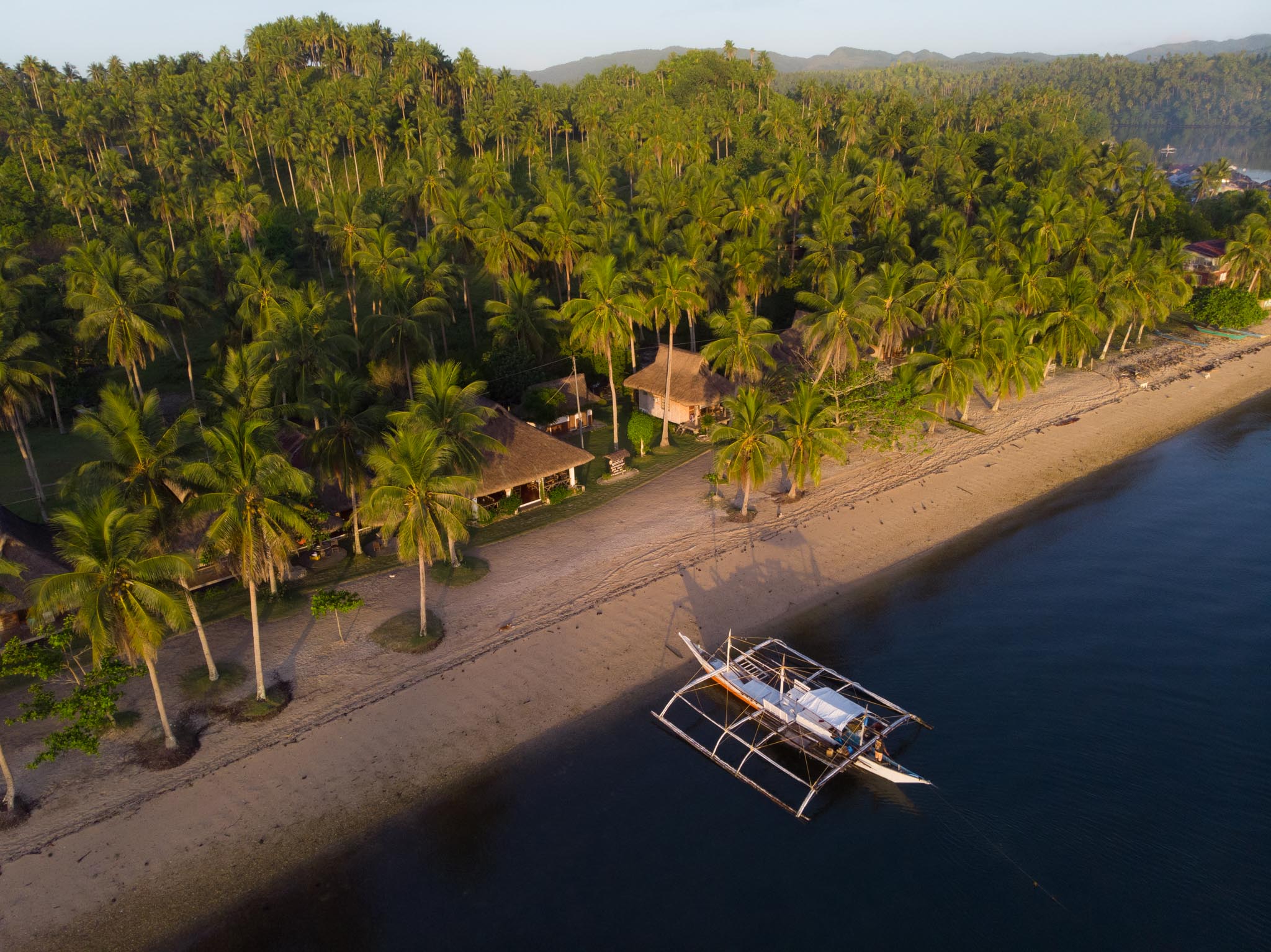
I recommend staying at Ticao Island Resort, which keeps you close to both the best snorkeling areas and the island’s main dive operations. Ticao Island Resort & Dive Center is a PADI-accredited resort and the classic base for diving Manta Bowl in the Ticao Pass, one of the most thrilling big-animal dive sites in the Philippines. I’ve stayed here myself and absolutely loved my time.
Day 4-6: Ticao Island (Masbate)
Spend all three days entirely on Ticao Island. Extend your stay if you’re taking a PADI course or simply want to slow down. This is one of the best places in the Philippines to truly unwind. Even if you’re not scuba diving, you will fall in love with the rich marine life, quiet coastlines, and uncrowded island-hopping spots here.
Ticao Island: Manta Bowl and the Ticao Pass
Manta Bowl is a submerged, current-swept seamount, and dives here are not for beginners. Expect strong currents, no anchor line entry, negative entries, reef hooks, and a need for solid buoyancy control. When conditions line up, sightings can include manta rays, whale sharks, and thriving coral gardens. Visibility can be hit or miss.
When the currents are too strong, the dive center switches to nearby reef and macro dives, which are still excellent and make it easy to mix training dives, fun dives, and rest days. That’s why Ticao works so well for multi-day PADI courses, you can dive, recover, island-hop, and repeat without feeling rushed.
Ticao Island: Island-Hopping Tours
From Ticao Island Resort, island-hopping trips are easy to arrange. Some of my favorite stops include:
- Halea Nature Park
- Paborito Rock Garden & Mababoy Island
- Burubungkaso Islet
- Lapus-Lapus Islet
- Catandayagan Falls
Day 7-11: Santa Magdalena, Matnog, Bulusan and Donsol (Sorsogon)
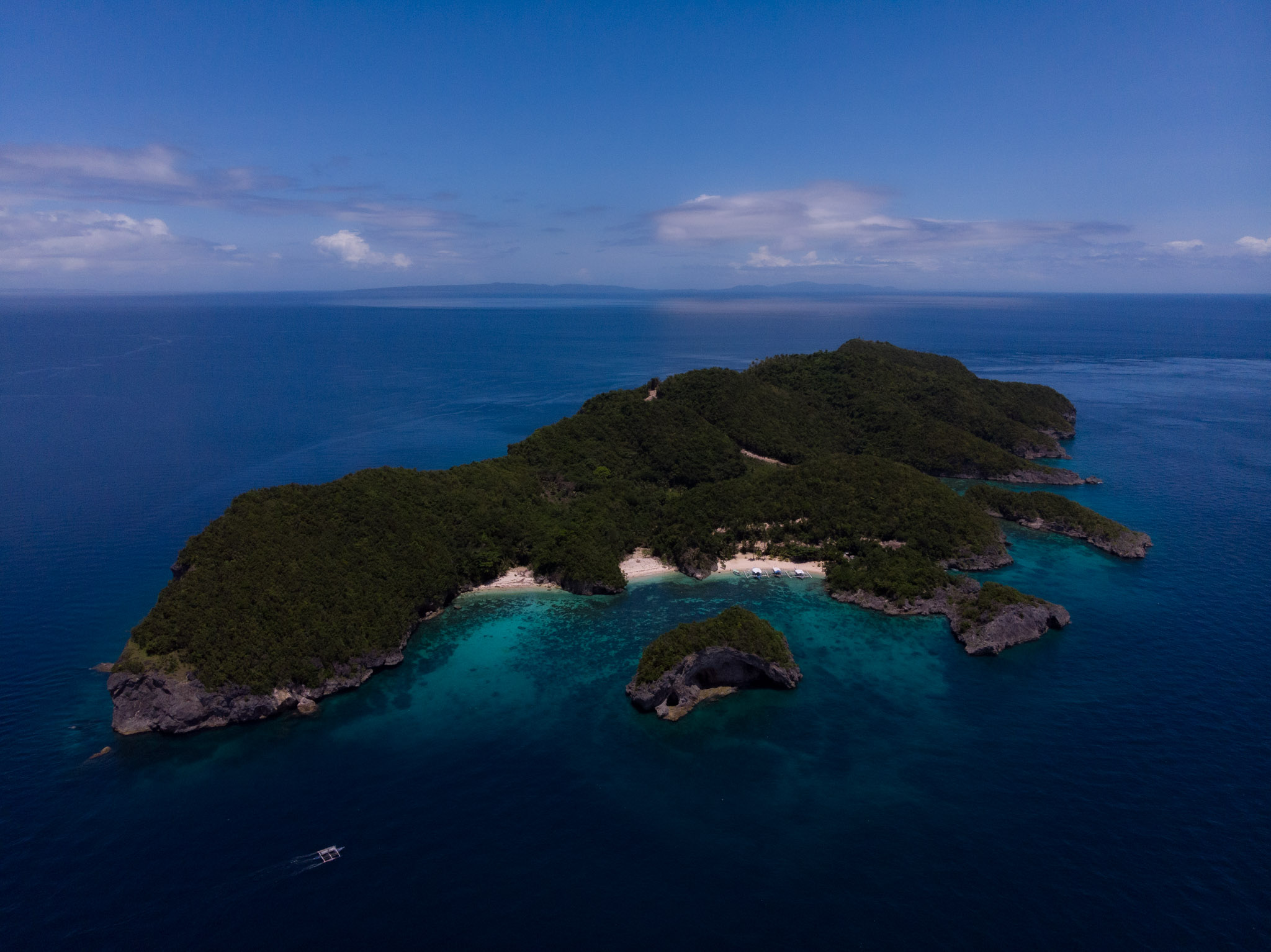
From Ticao Island, follow this Philippines itinerary to Sorsogon, one of the most underrated provinces in the country. Over the next five days, you’ll explore Santa Magdalena, Matnog, Bulusan, and finally Donsol.
While Sorsogon often gets squeezed into a rushed 1–2 day visit focused only on whale sharks or island hopping, it’s actually a large, diverse province with far more to offer if you give it time.
I genuinely love Sorsogon. If I ever become a millionaire, this is probably where I’d buy a beachfront property. Even my drone photos don’t fully capture how beautiful it is. You really have to see it in person to get it.
Where to Stay in Sorsogon
For this Philippines itinerary, I recommend splitting your stay between two bases: Santa Magdalena and Donsol.
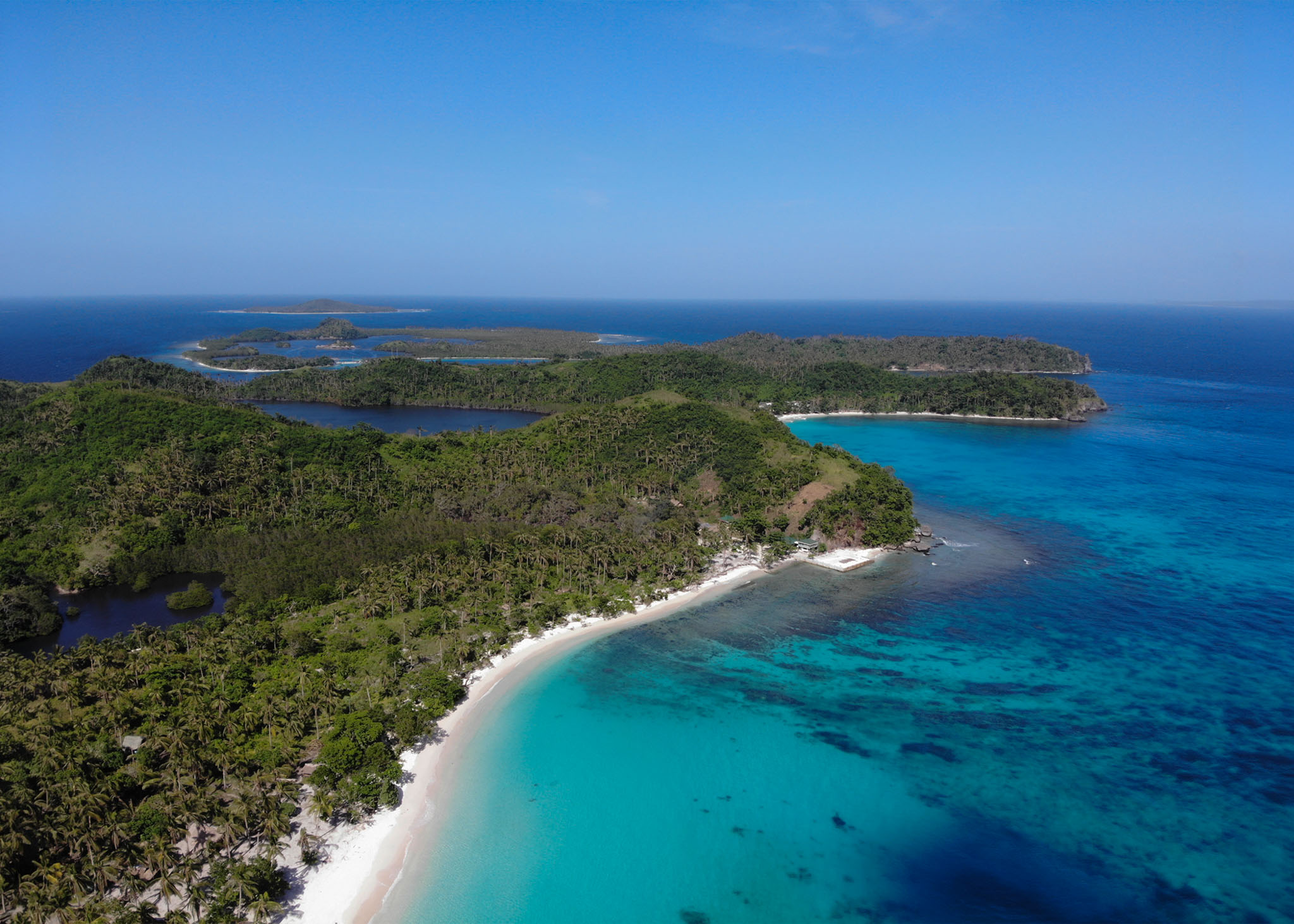
Santa Magdalena (which has more accommodation options than Matnog) is the most strategic base for exploring Bulusan Lake, Matnog island hopping, and the southern coastline. Some great places to consider include Beata Beach & Sanctuary, Residencia del Hamor Beachfront, and G Seascape Resort.
Donsol, on the other hand, works best for the whale shark interaction and its proximity to Legazpi City in Albay. It’s a convenient final stop before flying out of Bicol. We stayed at Elysia Beach Resort, which I absolutely loved the beach.
Day 7: Ticao Island to Santa Magdalena
From Ticao Island, take the ferry from San Jacinto Port to Bulan Port. The crossing takes about 1.5 hours, with two daily departures at 5:30 AM and 10:00 AM.
Once you arrive at Bulan Port, you can charter a tricycle or arrange a private transfer through your resort in Santa Magdalena. The land transfer is short and easy—only about 1 hour.
Day 7 can be used to settle in and relax by the beach. If you’re feeling a bit more adventurous, you can rent a motorbike and drive along the new coastal road connecting Bulan, Matnog, Santa Magdalena, and Bulusan. The views are seriously epic!
Day 8: Matnog Island-Hopping Tour
From Santa Magdalena, arranging an island-hopping tour to Matnog is straightforward and convenient. Boat rate is around PHP 3,000, good for 10 people already. Most tours follow a similar route, stopping at some of Sorsogon’s most scenic islands, including:
- Calintaan Island (Subic Beach and Calintaan Cave)
- Juag Fish Sanctuary
- Tikling Island (aka Ticlin Island)
Day 9: Santa Magdalena to Bulusan
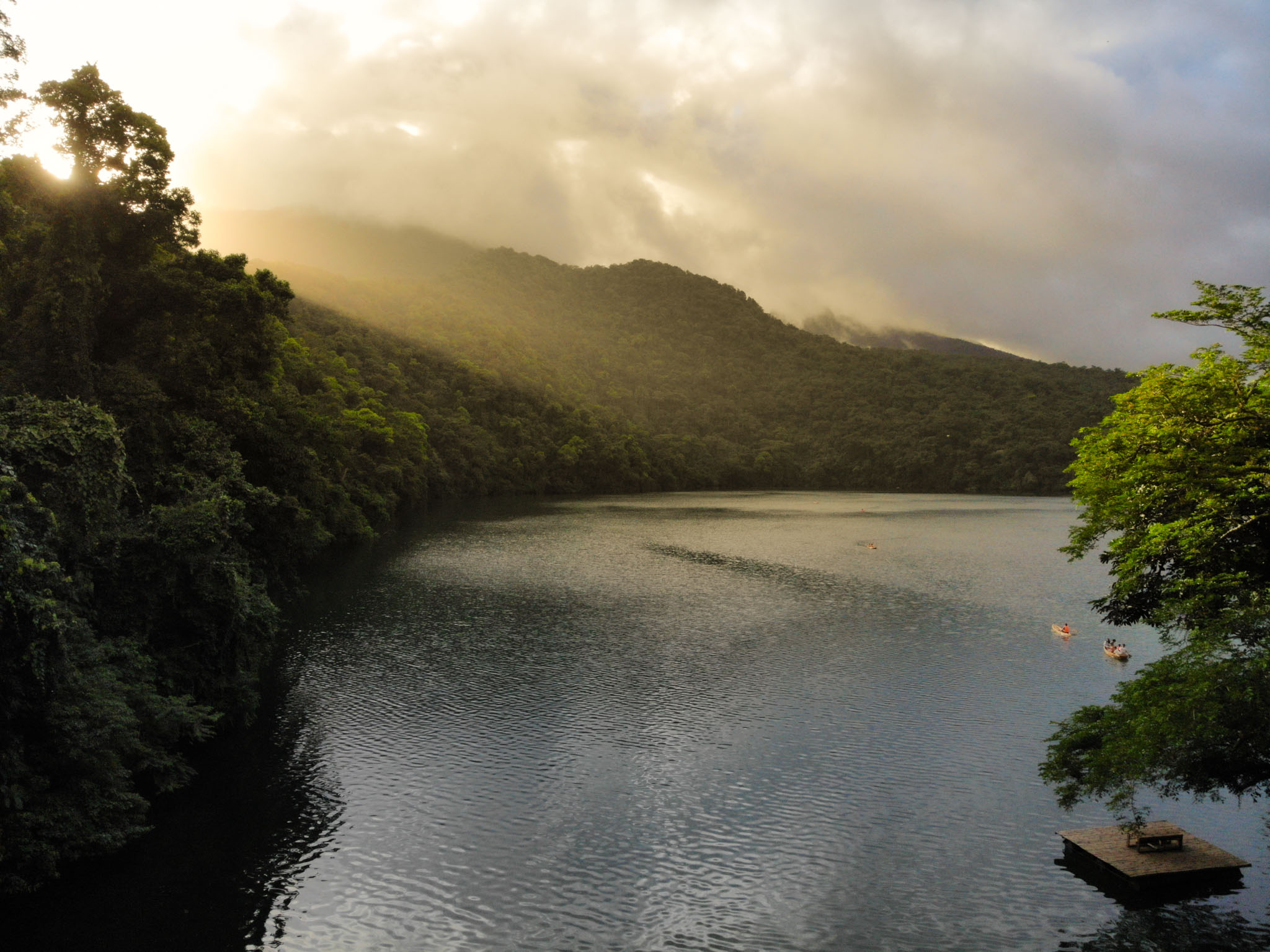
From Santa Magdalena, the easiest way to get to Bulusan is by chartering a tricycle or arranging a private transfer through your resort. Bulusan town is only about a 50-minute ride from Santa Magdalena. I recommend grouping Bulusan Lake, Kambal Busay Falls, and Hidden Falls to make the most of your time. Zoe’s Resort and Eco Adventure Park, the access point for both waterfalls, is just 10 minutes from Bulusan Lake.
Bulusan Volcano National Park
Bulusan Volcano Natural Park was one of those places I didn’t expect to love as much as I did. The park feels quiet, lush, and grounding in the best way. It really made me feel closer to nature.
Access starts at the Bulusan Ecotourism Center that genuinely surprised me. It feels like something you’d find in a national park in Japan than what you’d expect in a remote part of Bicol.
You can walk the Bulusan Lake Loop Trail, try the recently opened Bulusan Canopy Walk, or go kayaking on the lake, which was easily my favorite activity. You can paddle as far as you like, surrounded by misty forest and abundant birdlife.
Kambal Busay Falls and Hidden Falls
From the main area of Zoe’s Resort, a 160-step staircase leads down to Kambal Busay Falls. The descent is short and manageable, and at the bottom you’re rewarded with a beautiful cascade naturally framed by lush greenery. I was genuinely in awe. 😍
Just a few minutes from there is Hidden Falls, reached by following the stream past rocks and flowing water into a narrow gorge, where the waterfall sits quietly, partially concealed.

Day10-11: Donsol (Sorsogon)
From Santa Magdalena, continue your Philippines itinerary to Donsol, Sorsogon, where you’ll spend two days with the hope of encountering whale sharks in the wild.
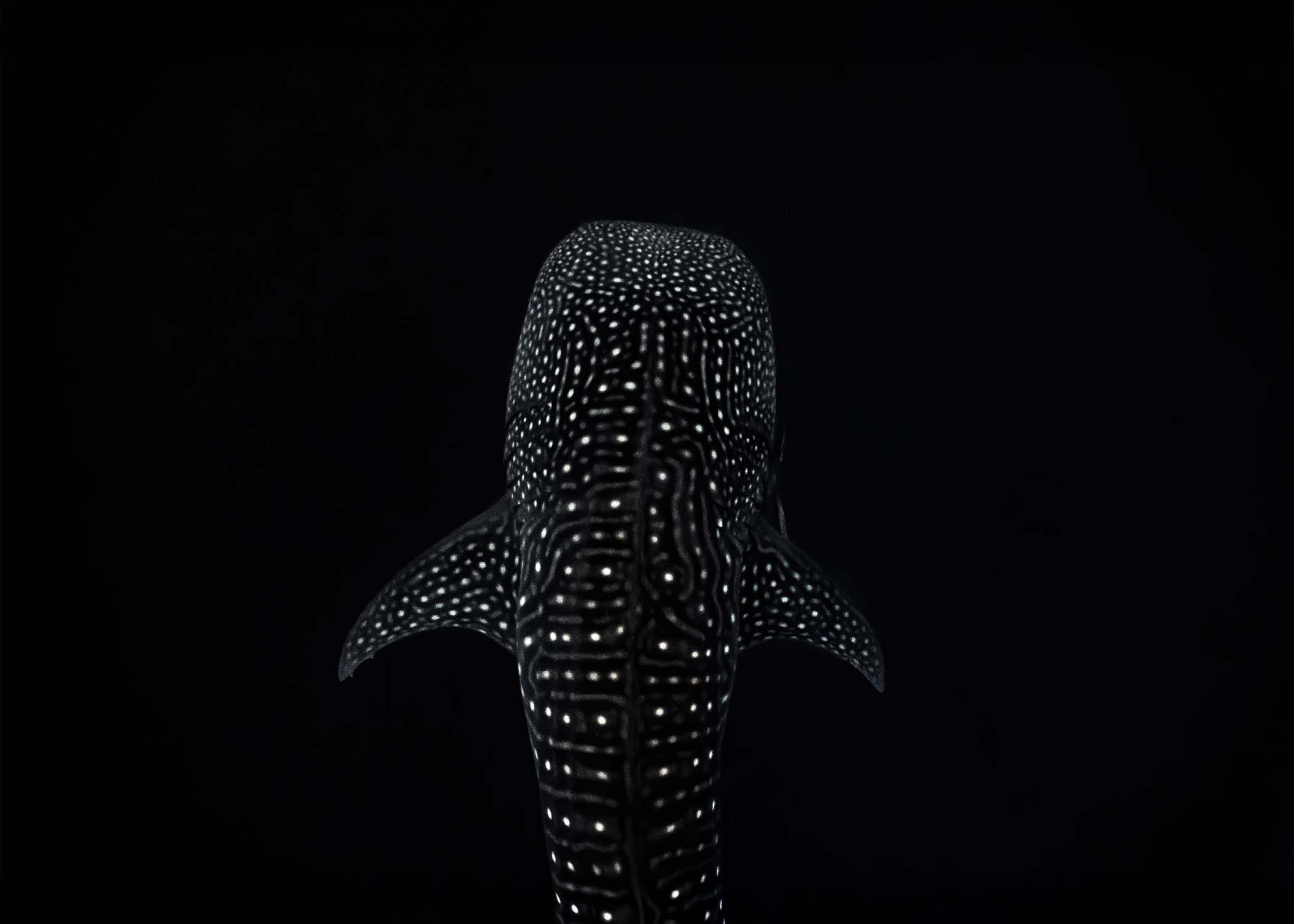
Donsol is known for its community-led, tightly regulated whale shark tours. Outside of whale shark tours, Donsol is a pretty laidback town. Go on firefly watching tour on the river at night or just enjoy the beach.
I absolutely loved my time in Donsol. We were lucky enough to see one whale shark—yes, just one!—after three hours of scouting during our Donsol Whale Shark Interaction. But because the experience was unbaited, unscripted, and entirely on their terms, it was something I could genuinely feel good about.
What to expect from Donsol Whale Sharks Interaction
- The whale shark season in Donsol generally runs from November to June, with the peak months for sightings being February to May.
- All whale shark registrations and tours are handled by the Donsol Tourism Office. You can ask your chosen resort to arrange a tour for you, or go to the port yourself.
- There are three daily tour windows: 7:30 AM, 10:30 AM, and 1:30 PM
- Morning tours are your best bet, as whale sharks tend to be more active earlier in the day.
- There are no guarantees here. Whale sharks aren’t fed or coaxed into staying, so heading out feels a bit like going on safari. You might search for hours and see nothing at all.
- Visibility is often dark and plankton-rich, not the clear blue you see in photos from other locations.
- Whale sharks can move quickly, and sightings may last only a few seconds
Day 12: Mayon Volcano (Albay)
From Donsol, head to Legazpi City in Albay. After checking in at your hotel, join a Mayon ATV tour (Black Lava Trail | 2.5-Hour Course) in the afternoon. I know this activity sounds a bit touristy, but trust me, the experience and the views are epic!
Go for 3 PM schedule so you reach the viewpoint around sunset, when Mayon’s perfect cone really shows off. Since trekking the volcano is prohibited, ATV tours are the closest you’ll get to seeing Mayon up close, and it’s 100% worth it!
Where to Stay in Legazpi City, Albay
I suggest staying at an accommodation with a direct view of Mayon Volcano. I recommend FJ Manila Hotel, Mayon Lodging House, or Your Brother’s House Tribal Village, all of which offer great views and convenient access for your short stay.

Visayas: Negros Oriental, Siquijor and Bohol (12 Days)
You’ve now reached the Visayas leg of this One Month Philippines Itinerary. With only a month to travel, it’s impossible to see everything this region has to offer, so this itinerary focuses on Negros Oriental, Siquijor, and Bohol. Honestly, the Visayas has so many islands that even I, as a Filipino, haven’t been to them all.
Day 13-16: Dauin (Negros Oriental)
On Day 14, fly from Bicol International Airport to Dumaguete Airport, usually with a connection via Cebu or Manila, as there are currently no direct flights from the Bicol Region. Total travel time is around 3–4 hours. While ferries do exist between islands, they take significantly longer and aren’t ideal if you’re working with a one-month timeline.
From Dumaguete Airport, you can arrange a private transfer through your resort in Dauin. Expect to pay around ₱1,000, with a travel time of 40–50 minutes, depending on traffic. I suggest public transportation as it’s cheap and pretty straightforward:
- Take an EasyRide or modern jeepney bound for Dauin, located across BDO near the Cathedral Church
- Alternatively, ride a Ceres Bus bound for Dauin or Siaton, with terminals located behind Robinsons Mall
- I personally don’t recommend taking tricycles for this route as they tend to be overpriced, especially for tourists.
Where to Stay in Dauin, Negros Oriental
Since you only have three days in Dauin, it makes sense to stay right on the beach with easy access to dive sites and great views. I recommend Atmosphere Resorts & Spa, Pura Vida Beach & Dive Resort, or Mike’s Dauin Beach Resort. All three are PADI 5-Star dive resorts (perfect if you’re planning to take a PADI course or do fun dives). They also have excellent in-house restaurants, so you won’t need to go far for good food after a long day in the water.
Day 15: Apo Island Day trip from Dauin
From Dauin, start early and head to Malatapay Port, where you can charter a local boat to Apo Island (your resort can help arrange this, or you can negotiate directly at the port). The boat ride takes about 30–45 minutes.
Boats pricing is per boat, not per person. To keep costs down, operators usually group travelers together, which means you’ll have a fixed return time that everyone must follow. If you want more flexibility, you can charter a private boat instead.
- Boat rate: ~₱3,500 total (good for 3–4 people)
- Terminal fee: ₱10 per person (paid at Malatapay Port)
- Environmental fee: ₱100 per person (paid upon arrival on Apo Island)
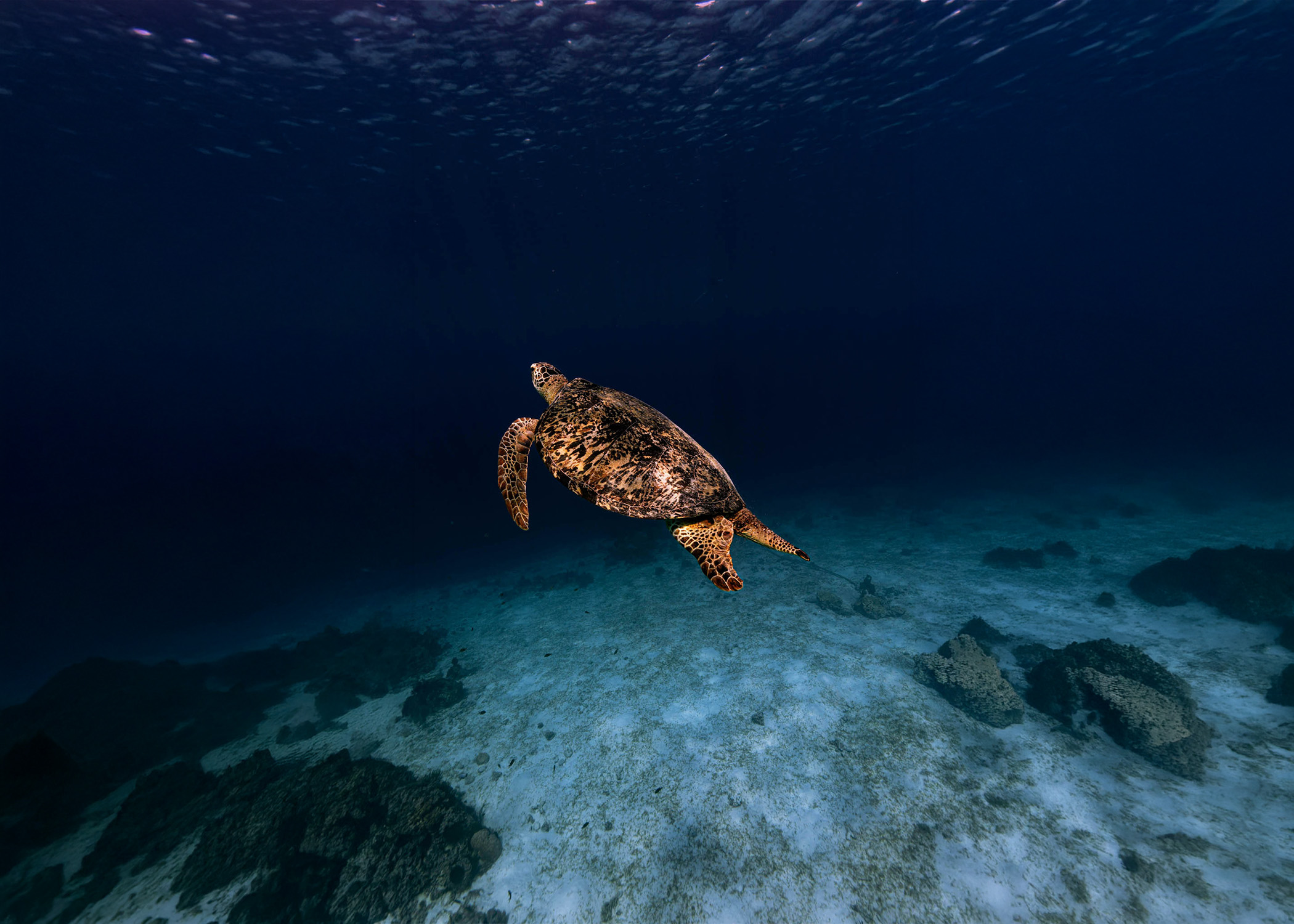
Apo Island itself is small and easy to explore, with a few viewpoints you can walk up to, but the real highlight is the marine life. The snorkeling/diving here is incredible. Abundant sea turtles, vibrant corals, and thriving fish life, all accessible straight from the shore. On my first visit, I saw sea turtles easily twice the size of a human. It was unreal!
As a Filipino, I have to say this. Please respect Apo Island. It’s a marine protected area, and the rules exist for a reason. On my visit, I saw tourists treating sea cucumbers like toys, and it made me so mad. Enjoy the island, but do so responsibly.
Where to Stay in Apo Island, Negros Oriental
I’ve actually stayed overnight on Apo Island before, and while I loved the laidback, off-grid vibe, food options are very limited. That’s one of the main reasons I recommend basing yourself in Dauin, where you’ll have far better accommodation and dining choices after a long day in the water.
That said, if you do want to spend the night on the island, Elnor’s Homestay is a solid option. I stayed there myself, paid around 400 pesos per night with free breakfast, which is honestly a steal.
Day 17: Dauin to Siquijor (via Dumaguete)
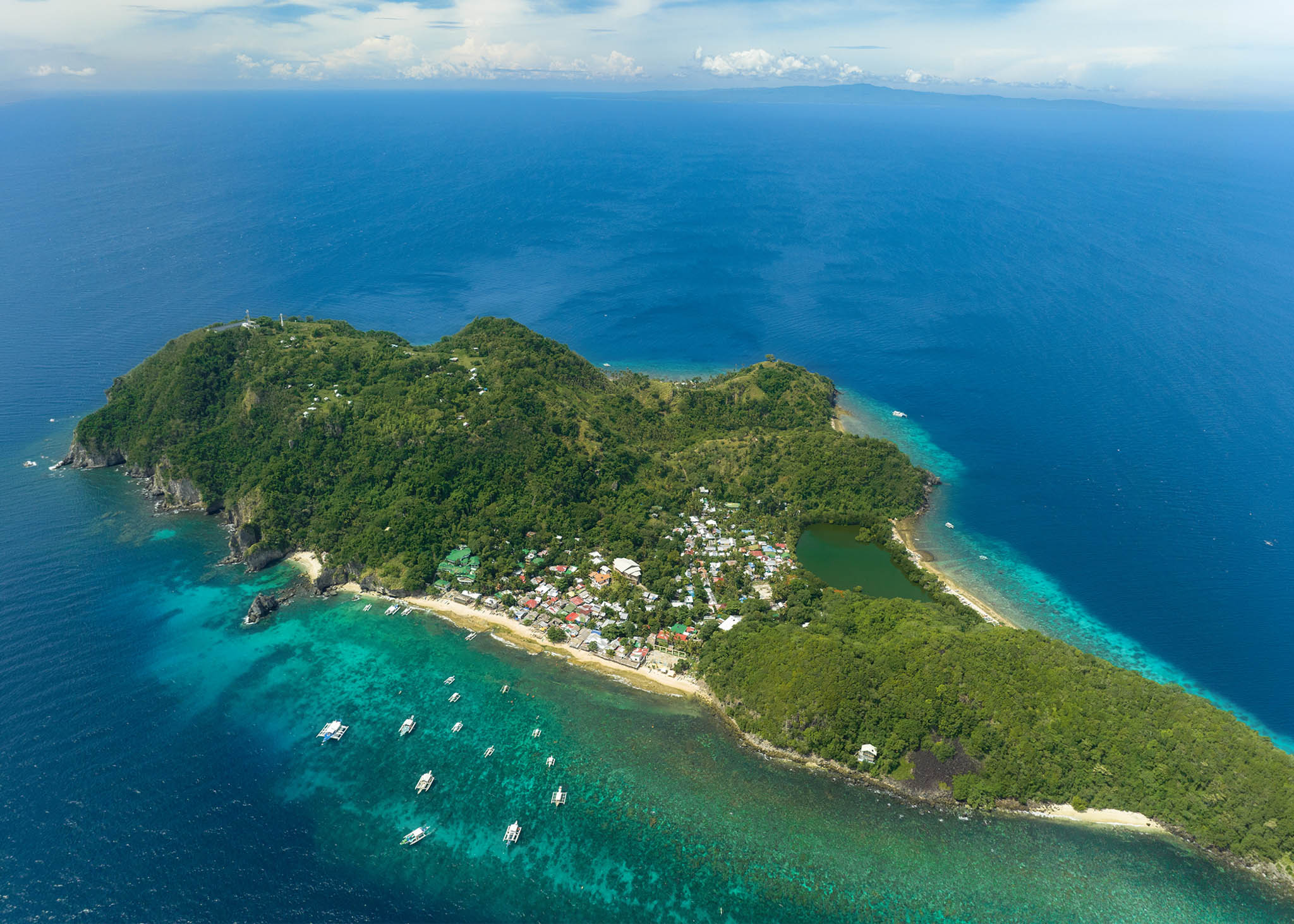
A 1.5-hour ferry from Dumaguete brings you to one of the Philippines’ most stunning yet underrated islands… Siquijor. Once known mostly among Filipinos for its mystique and tales of witchcraft, the island is now gaining a reputation for much more… Pristine beaches, warm and welcoming locals, incredible local cuisine, and, more recently, world-class freediving spots.
Dumaguete to Siquijor Ferry
There are frequent daily ferries between Dumaguete and Siquijor, operated by OceanJet, Montenegro, HS Star Marine Shipping (Anika Star), and Aleson Shipping. To make the most of your time on the island, leave Dauin early in the morning. Tickets can be purchased at the port, but you can also book online in advance for convenience. For example, you can reserve Dumaguete–Siquijor ferry tickets on OceanJet via Klook to secure your preferred schedule ahead of time.
Where to Stay in Siquijor
In Siquijor, San Juan is a great area to base yourself. I stayed at Coco Grove Beach Resort, which I really liked but on the pricier side. If you are looking for something budget-friendly, San Juan has lots of budget options too. I’ve heard good things about Love Shack Hostel, Aquamare Beach Camp Resort, and Descanso En Paraiso Resort, all of which are close to the beach and the restaurants.
Day 18-20: Siquijor
Siquijor is small, and the total driving time between spots is usually under an hour, so it’s easy to group attractions by proximity and still leave room for spontaneous detours.
For three days in Siquijor, you can focus on exploring the island’s marine sanctuaries, ideally by snorkeling or freediving early in the morning when the water is calmer, visibility is better, and marine life is more active.
4-day Siquijor Itinerary (click the link to see the Google Maps version)
- Day 17: Tubod Marine Sanctuary, Pitogo Cliff and Paliton Beach (you can visit all three if you arrive in Siquijor early from Dumaguete)
- Day 18: Cambugahay Falls, Alawihao Enchanted River, Sambulawan Underground River, and the Century-Old Balete Tree.
- Day 19: Caticugan Marine Sanctuary and Tulapos Marine Sanctuary
- Day 20: Secret Beach, Olang Marine Sanctuary and Salagdoong Beach

Day 21: Siquijor to Panglao (Bohol)
Siquijor to Tagbilaran Ferry
Today is a ferry travel day as you make your way from Siquijor to Panglao via Tagbilaran, Bohol. There are daily ferries between Siquijor and Tagbilaran, operated by OceanJet and Lite Shipping. Tickets can be purchased at the port, but I recommend booking online in advance. For example, you can reserve Siquijor–Tagbilaran ferry tickets via OceanJet on Klook.
Tagbilaran to Panglao
Grab cars are available from the port to Panglao, and the ride usually takes about 17–20 minutes with fares around ₱300–₱500. If a Grab isn’t available, you can also take a tricycle, which will cost roughly ₱500.
Where to Stay in Panglao, Bohol
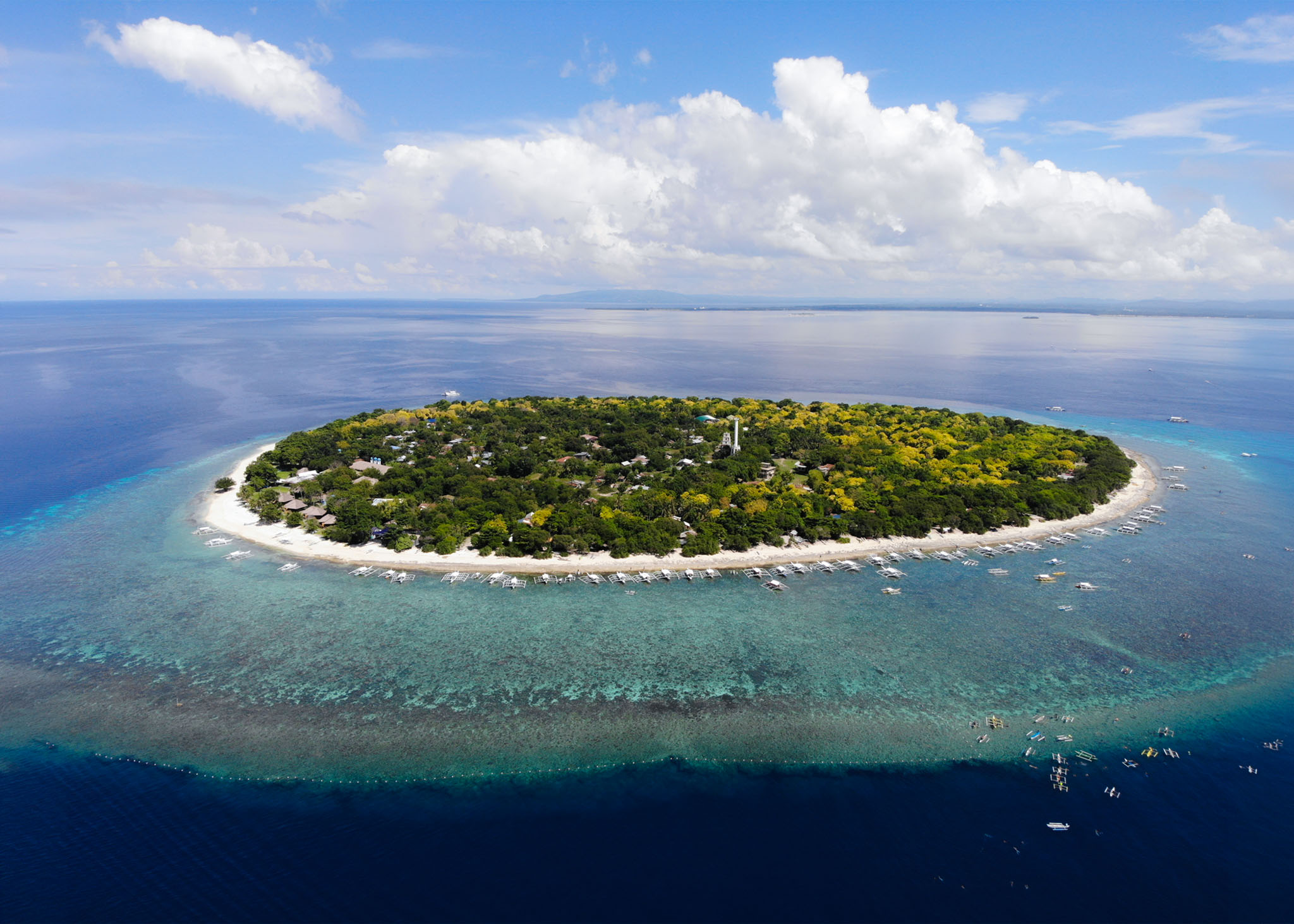
I’ve visited Panglao a few times now, and when it comes to choosing a base, I usually recommend beachfront resorts for easy access to the sand and sea. Some of my top picks include Modala Beach Resort, Mithi Resort and Spa, and South Palms Resort.
If you’d rather stay on the mainland, I highly recommend Water to Forest Ecolodge in Loboc. Honestly, Loboc is seriously underrated. Most travelers only stop by for the famous Loboc River Cruise, but staying here gives you a quieter, more authentic side of Bohol that many people miss.
Day 22-23: Panglao (Bohol)
Since you only have two days here, I suggest picking a few highlights from my 4-day Bohol itinerary for first timers and slowing it down a bit. I’ve done Bohol multiple times, and these are the experiences I’d personally prioritize for this Philippines itinerary.
- Freediving at Napaling Reef (hands down one of the best and easiest freedive spots in the country)
- Quick visit to the Philippine Tarsier Sanctuary in Corella
- Stand-up paddle-boarding along the Loboc River (surprisingly peaceful and way more fun than the usual river cruise)
- Snorkeling at Balicasag Marine Sanctuary for turtles and vibrant reefs

Mindanao: Camiguin (5 days)
After Bohol, you now have just seven days left on your One Month Philippines Itinerary. Assuming you’re not extending, but let’s be real, I have a feeling you might! This is the moment where some really tough decisions come into play. Where do you want to spend your final week in the Philippines?
Do you head back into Luzon for the stunning beaches of Palawan (here’s my Balabac, El Nido & Coron itineraries), head to Mindanao for Siargao (here’s my Siargao itinerary), or Camiguin? Since you’re here for my recos, choose Camiguin. Trust me on this one.
And yes, this is exactly why Bohol is placed second to last on the route… it’s not random. There’s a direct ferry from Bohol to Camiguin.
Day 24: Bohol to Camiguin
Panglao to Jagna Port (via Tagbilaran)
From Panglao, make your way to Tagbilaran City, then head to the Dao Integrated Bus Terminal. Take a Ceres Busbound for Jagna. Travel time is around 2 hours and one-way bus fare is 100 pesos.
Bohol to Camiguin Ferry
At Jagna Port, board the ferry to Balbagon Port, Camiguin’s main seaport. Ferries from Bohol to Camiguin usually depart daily at 1:00 PM or 2:30 PM. The route is serviced by Super Shuttle Ferry. Travel time is around 4 hours and one-way ferry ticekt costs approximately 900 pesos. I recommend purchasing tickets in advance online via bustickets.ph.
Leave Panglao early in the morning to catch the 1:00 PM or 2:30 PM ferry from Jagna Port. Missing these two ferries means waiting another day, as schedules are limited.
Where to Stay in Camiguin
Base yourself in Mambajao, which is central and convenient for most attractions. For budget stays, I recommend Kurma Eco Beach Lodge.
If you feel like splurging a little, Camiguin also has some excellent mid-range and luxury stays. Nouveau Resort, and Unwnd Boutique Hotel are solid options. There’s also Nadhibar Resort, which is relatively new; I haven’t stayed here yet, but I’ve heard nothing but good things, and it’s high on my list for my next Camiguin trip.
Day 25-28: Camiguin
Camiguin is often included as a quick stop on a CDO–Bukidnon–Camiguin itinerary (usually 4D3N or 5D4N), and because the island is small, many travelers rush through it in just one or two days. You can do that, but you’d be missing so much.
Camiguin is an excellent freediving destination, especially for beginners. If you’ve ever wanted to get certified, this is one of the best places in the Philippines to do it. Camiguin Freediving is a Molchanovs Freediving Center based at Kurma Eco Beach Lodge. And if you’re into hiking, Camiguin delivers on that front too, with volcano climbs that reward you with epic views.
Suggested plan:
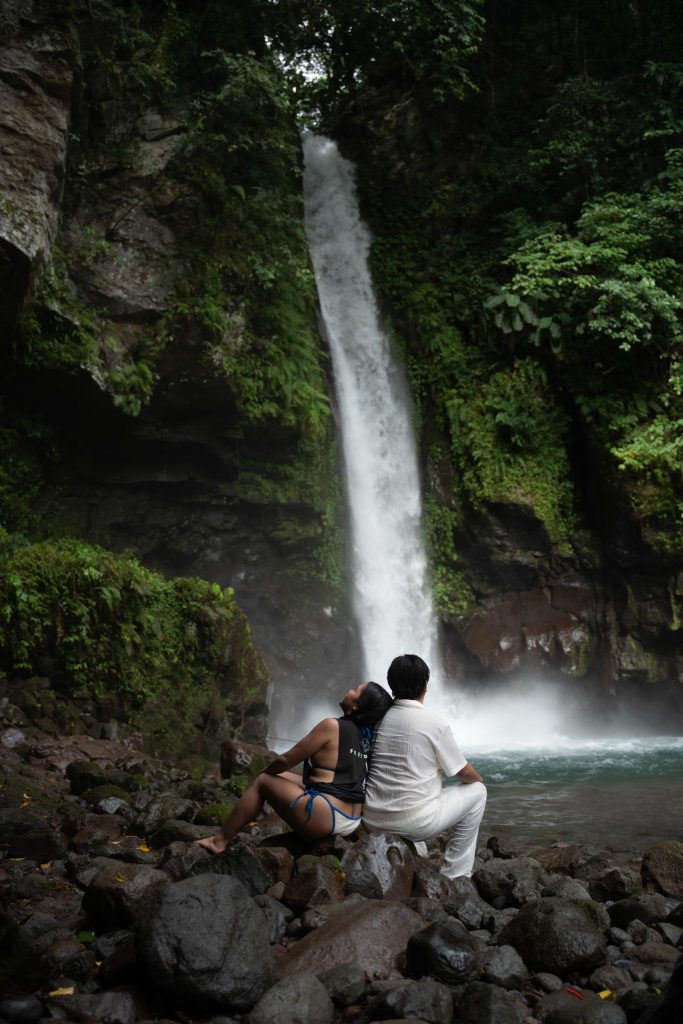
- Day 25: Whole Day Camiguin Land Tour (Katibawasan Falls, Hibok-Hibok Ardent Spring, Gui-ob Old Church and Sunken Cemetery (for sunset)
- Day 26: Hiking to Mt. Hibok-Hibok (1,290 masl)
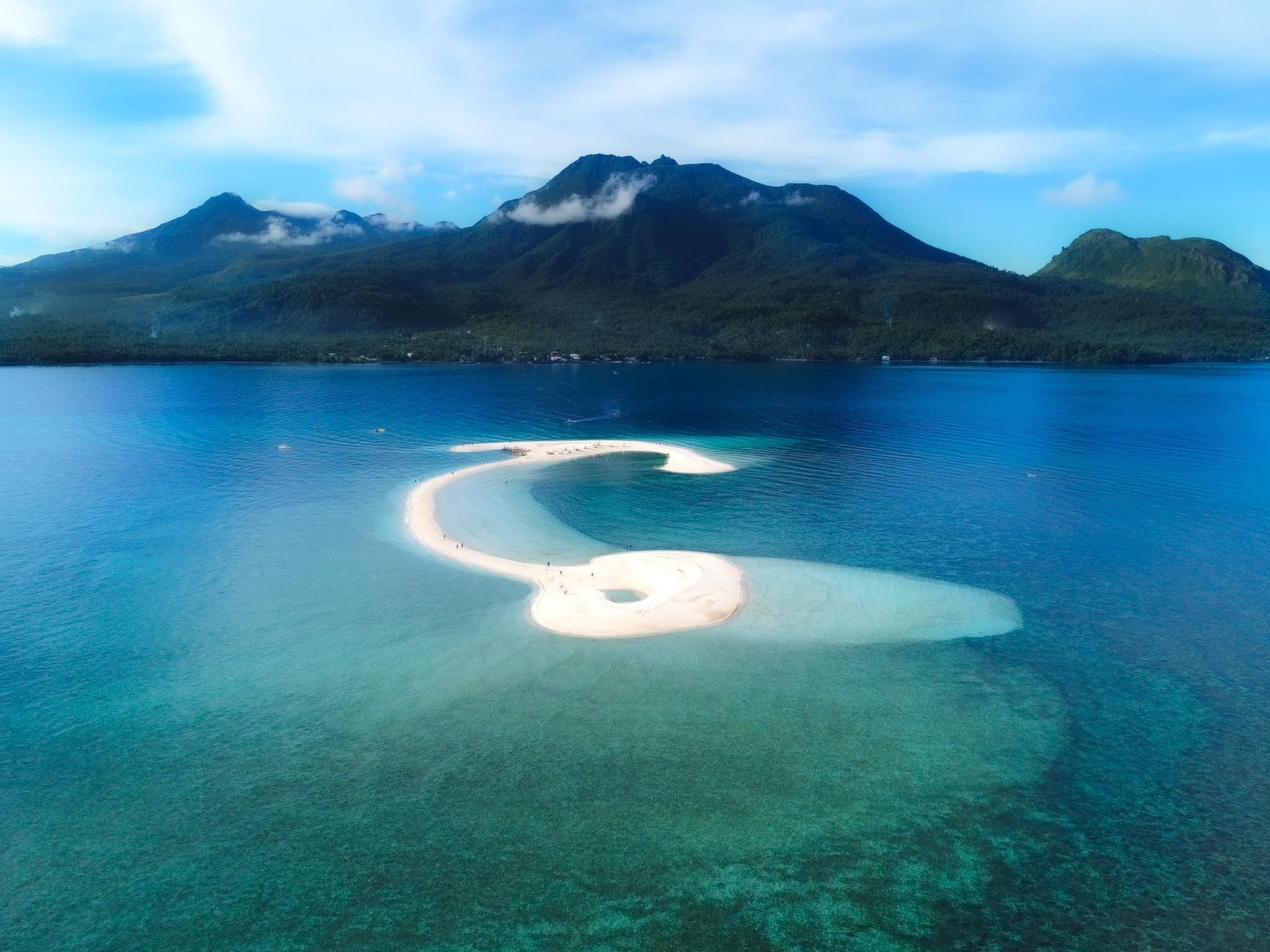
- Day 27: White Island Day Trip
- Day 28: Mantigue Island Day Trip
Day 29: Camiguin to Manila (via Cebu)
Use Day 29 as your transit day back to Manila. Fly from Camiguin Airport to Manila via Cebu, with a total travel time of around 4 hours, depending on your layover. I recommend arriving in Manila a day early to give yourself some buffer before your international flight.
Once you’re back in the city, you can do some last-minute souvenir shopping, go on a food trip, or check out the nightlife in Poblacion if you still have energy. Just remember, you’ve got a flight to catch the next day, so pace yourself 😉
Day 30: Goodbye, Philippines!
Time to say goodbye, at least for now. Day 30 is reserved for your onward or international flight home. If there’s one thing I’m confident about, it’s that this won’t be your last time here. Until next time, paalam! 🇵🇭

What did you think of this One Month Philippines itinerary? If you found it helpful, or if you have questions about traveling around the Philippines, drop a comment below. I’d love to hear from you and help you plan your trip. ♥️
